Clinically proven to reduce heart disease and diabetes risk factors
Groundbreaking Study Validates Our Approach
Published Research: Nutrition and Emotional Health Education
Citation: Abu Dabrh AM, Haga CB, Conrad J, et al. Nutrition and Emotional Health Education: The Use of Emotional Intelligence and a Plant-Based Diet to Reduce Cardiometabolic Risk. Global Advances in Integrative Medicine and Health. 2023;12:1-10. doi:10.1177/27536130231215014



The First-of-Its-Kind Study
Study Design
This prospective clinical study enrolled 37 adult volunteers with BMI greater than 25 and additional cardiometabolic risk factors (metabolic syndrome, hypertension, elevated lipids, or elevated blood sugars) to participate in a 12-week learning management system that integrated:
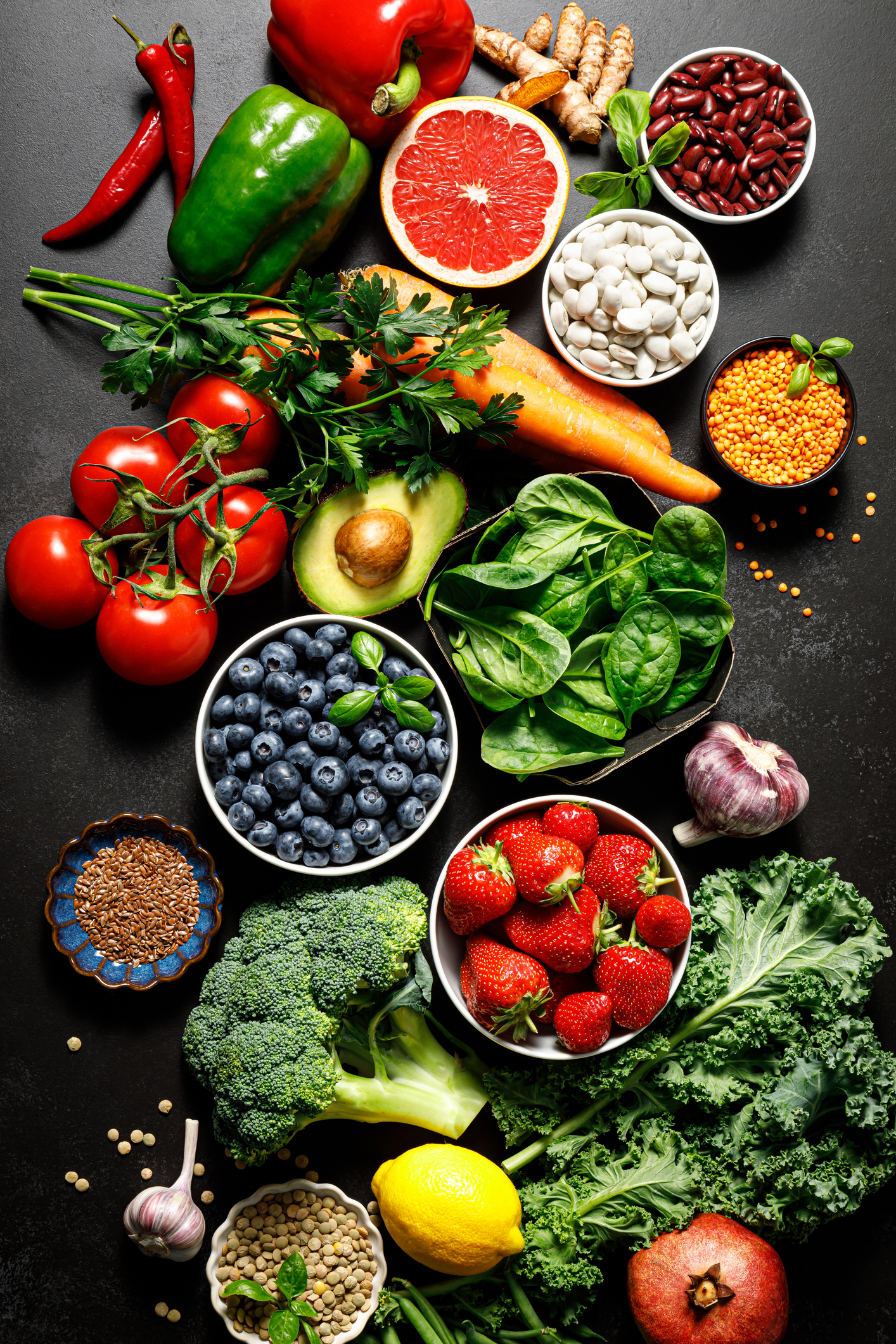
Progressive Plant-Based Exploration
progressively eliminating processed and animal-based foods while introducing whole-food, plant-based alternatives
Emotional intelligence education and coaching
focused on self-awareness, decision-making, impulse control, and stress management
Weekly in-person group coaching sessions
with trained facilitators using motivational interviewing and goal-setting techniques
Participants were assessed at baseline, 12 weeks (program completion), and 6 months post-enrollment using both clinical measures and validated self-report assessments.

Significant Results That Changed Lives
Primary Health Outcomes (Sustained at 6 Months)
Body Mass Index (BMI)
- Decreased by 1.63 points at program completion
- Decrease sustained at 6-month follow-up (P < .001)
- Represents clinically meaningful weight loss maintained beyond the intervention period
LDL Cholesterol
- Decreased by 17.77 mg/dL at program completion
- Decrease sustained at 6-month follow-up (P < .001)
- Reduction of this magnitude significantly lowers cardiovascular disease risk
Secondary Outcomes: Emotional and Quality of Life Improvements
Participants showed statistically significant improvements from baseline to 6-month follow-up in multiple areas:
Quality of Life (SF-36)
- Energy/Fatigue: Substantial improvement in daily energy levels and reduction in fatigue
Emotional Intelligence (EQi)
- Self-Regard: Enhanced sense of self-worth and confidence
- Decision-Making: Improved ability to make sound choices under pressure
- Impulse Control: Better regulation of urges and reactive behaviors

What Makes This Research Groundbreaking
First Clinical Study Integrating EI with Nutritional Intervention
Prior research demonstrated associations between emotional intelligence and health outcomes, but no previous clinical studies had tested whether actively training emotional intelligence alongside nutritional intervention could improve cardiometabolic health. This study fills that critical gap.
Addressing the Root Causes of Health Failure
The research validates what wellness programs have missed for decades:
behavioral and emotional barriers sabotage even the best nutritional plans. By simultaneously addressing both nutrition and emotional intelligence, participants achieved results they couldn’t sustain with diet alone.
Sustained Results Beyond the Intervention
Many programs show short-term improvements that disappear once the program ends. This study demonstrated that improvements in both BMI and LDL cholesterol were maintained at 6-month follow-up—evidence that participants developed sustainable behavioral changes, not just temporary compliance.
Correlation Between Emotional Improvement and Physical Outcomes
The study found significant correlations between improvements in emotional well-being and reductions in BMI from baseline to 6-month follow-up, suggesting that emotional intelligence gains directly support sustained physical health transformation.

Study Implications and Future Directions
Clinical Significance
This research provides preliminary evidence that lifestyle programs combining nutritional interventions with emotional intelligence training can have significant impact on cardiometabolic risk factors. The findings suggest that:
- Obesity treatment should address emotional barriers including stress management, impulse control, and decision-making
- Plant-based dietary transitions paired with EI coaching create synergistic effects on health outcomes
- Programs targeting both nutrition and emotional health may achieve better long-term adherence and results than nutrition-focused interventions alon
Why Emotional Intelligence Matters for Health
The study reinforces existing evidence that:
- Individuals with higher emotional intelligence report less stress, which is associated with better hormonal balance and biomarkers
- Self-motivation (a component of EI) is essential for treatment adherence and goal achievement
- Emotional self-awareness and regulation reduce maladaptive eating behaviors like emotional overeating
- Improved decision-making and impulse control translate directly to better food choices and exercise adherence



Published in a Peer-Reviewed Journal
This research underwent rigorous peer review and was published in Global Advances in Integrative Medicine and Health, a respected scientific journal. The study followed STROBE guidelines for reporting observational studies and used sophisticated statistical methods, including adjustment for multiple testing to ensure the validity of findings.
From Research to Real-World Application
The Qonscious Behavioral Operating System (BOS) is built directly on the principles validated in this Mayo Clinic research. Our platform combines:
- Evidence-based plant-based nutritional transition programs structured around the 12-week protocol tested in the study
- Comprehensive emotional intelligence training targeting the specific EI competencies shown to improve health outcomes
- Socratic AI coaching through QBOS Coach that provides the personalized guidance and accountability demonstrated to support lasting behavior change
- Integrated approach addressing both the nutritional and emotional/behavioral dimensions of health transformation


Additional Research in Progress
TCOYD Clinical Trial (Launching March 2026)
The Bottom Line
This Mayo Clinic research validates what Qonscious has always known: you can’t out-diet your emotions. Lasting health transformation requires addressing both what you eat and how you think, feel, and make decisions. Our platform is built on this scientifically validated foundation—not wellness trends or marketing hype, but rigorous research demonstrating real, sustained health improvements.
Ready to experience research-backed health transformation? The science is clear. The results speak for themselves.